


 Calculator
 Price Guide
 Test Drive
 Brochure
Honda’s fun, funky Super-One an EV for petrolheads
When parallel-imported cars started to gain a foothold in Singapore about 30 years ago, authorised dealers argued that those cars were not tropicalised, a process which makes products more suited to the hot and humid tropical climate.
For instance, tropicalised cars have bigger radiators or more powerful air-conditioners.
So, why did cars from authorised dealers here start having heated seats and heated steering wheels just over a decade ago?
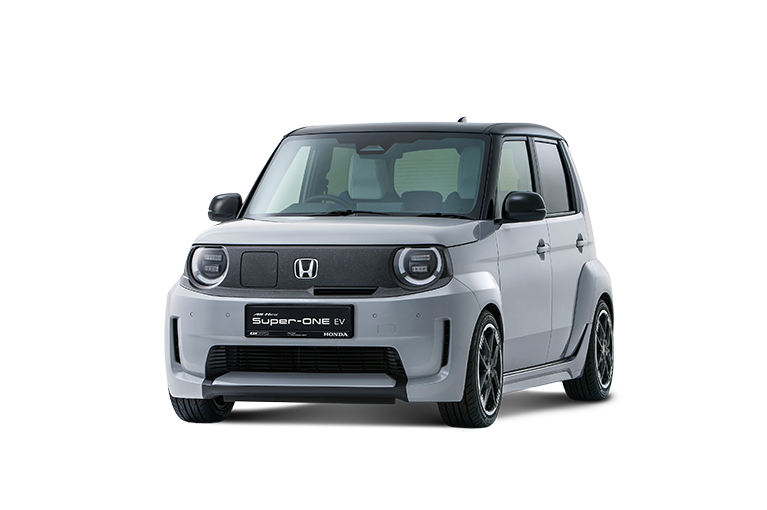
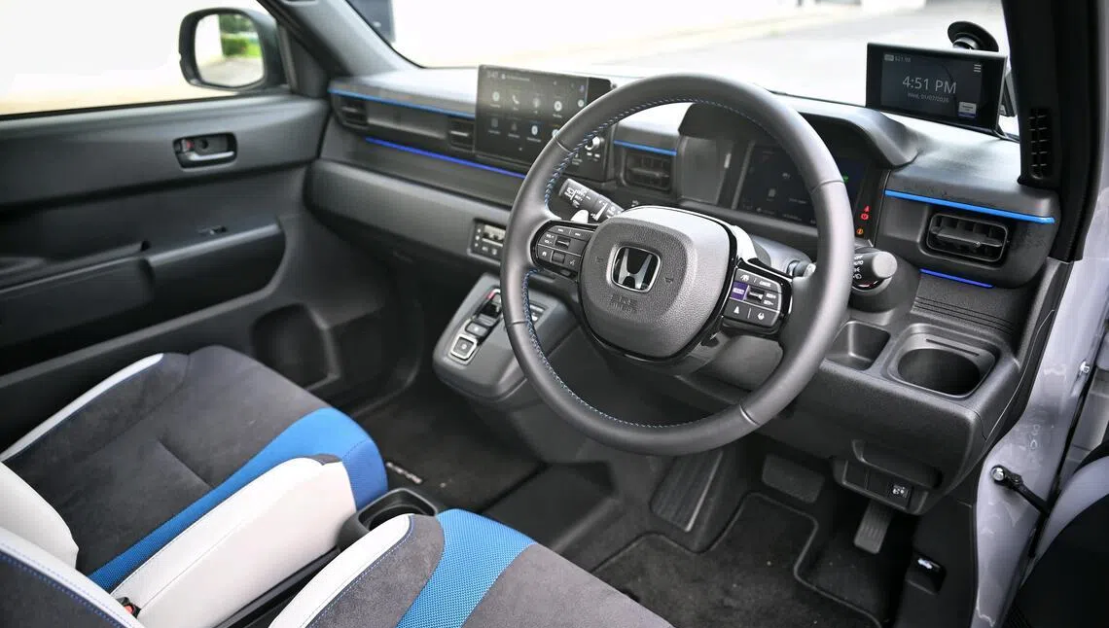
Honda’s new Super-One electric subcompact is the latest to feature heated seats. I would have much preferred if Honda had swopped this with a wireless phone charger, a centre armrest or another storage compartment.
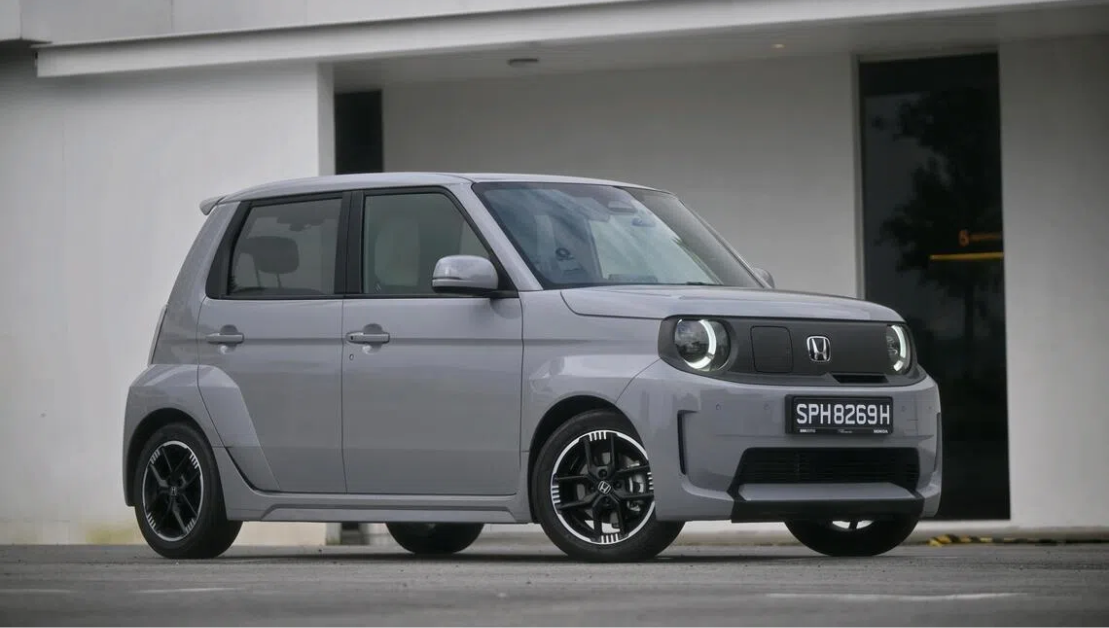
This aside, the Super-One is a cheerful and lovable machine which is fun and easy to drive and park.
The car is 3,589mm long, 1,573mm wide and 1,616mm tall with a 2,520mm wheelbase and a 1,092kg kerb weight. This makes it slightly smaller than the petrol-powered Honda Jazz and just a tad heavier – quite a feat for an electric model.
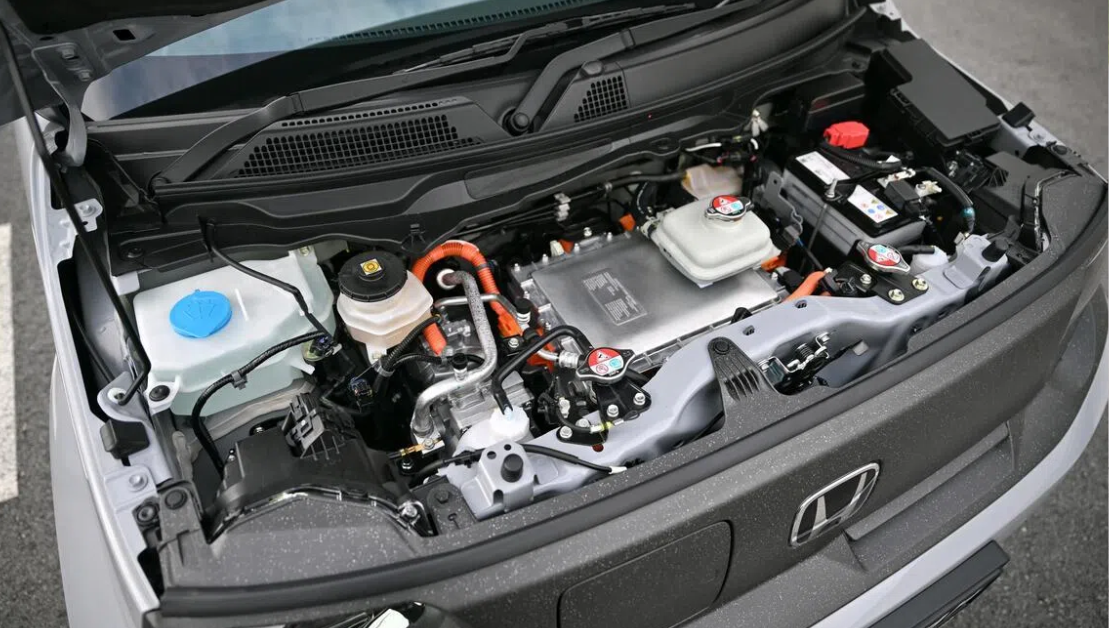
One main contributor to its lightness is its tiny 29.6kWh battery, the smallest of all electric models now here. I know what you are thinking: The car will run out of juice before the day is done.
Surprisingly, range is not an issue. The Super-One is efficient, averaging 12.8kWh/100km when driven in a mix of Eco and Normal modes. This translates to just over 230km of range, or more than Honda’s declared 202km.
But since power is consumed not only by its 70kW motor, actual imputed range based on the test car’s trip meter is 214km. This is sufficient for three days of motoring in Singapore or a non-stop trip to Desaru, Malaysia.
Being light has other advantages. The Super-One is zesty at the wheel despite its modest motor. It feels quicker than its stated 9.9-second 0-100kmh timing and handles directional changes with aplomb. Its ride is firm but far from juddery, with a level of comfort expected of its size.
In the Super-One, Honda has recaptured the simple joys of driving which only small cars seem capable of delivering. There is a connection to the road which is largely lost when vehicles become too big, bloated or encumbered with a slew of technical measures to make them manageable.
I also like that Honda states revolving speeds at which the car’s motor attains peak power and torque. It is a small thing, but it speaks to the part of a car nut’s brain which defies explanation.
The Super-One is a lovely blend of old and new. Its tallboy profile and small 15-inch wheels peeking from behind flared arches are offset by a clean, grille-less face. Its has conventional mechanical doors, manual seat adjustments and a non-motorised tailgate.
An electrically assisted rack-and-pinion steering, rear drum brakes and Torsion beam rear suspension hark back to days when cars were simpler and fit for purpose.
Yet, the Super-One is not austere. It has a punchy Bose hi-fi system, a glitch-free infotainment system with wireless Android Auto, a smooth and responsive adaptive cruise control, Isofix child-seat anchors and walk-away door locking.
Besides Eco and Normal, it has three other drive modes.
City is a one-pedal mode for urban stop-start traffic, Sport offers simulated gear changes via steering-mounted “shift” paddles, and Boost brings forth its motor’s full potential, along with fake “engine notes” and “gear shifts”. It would have been nice if Honda had retained a “gear” lever instead of push buttons, which it also employs in models such as the Civic and Z-RV.
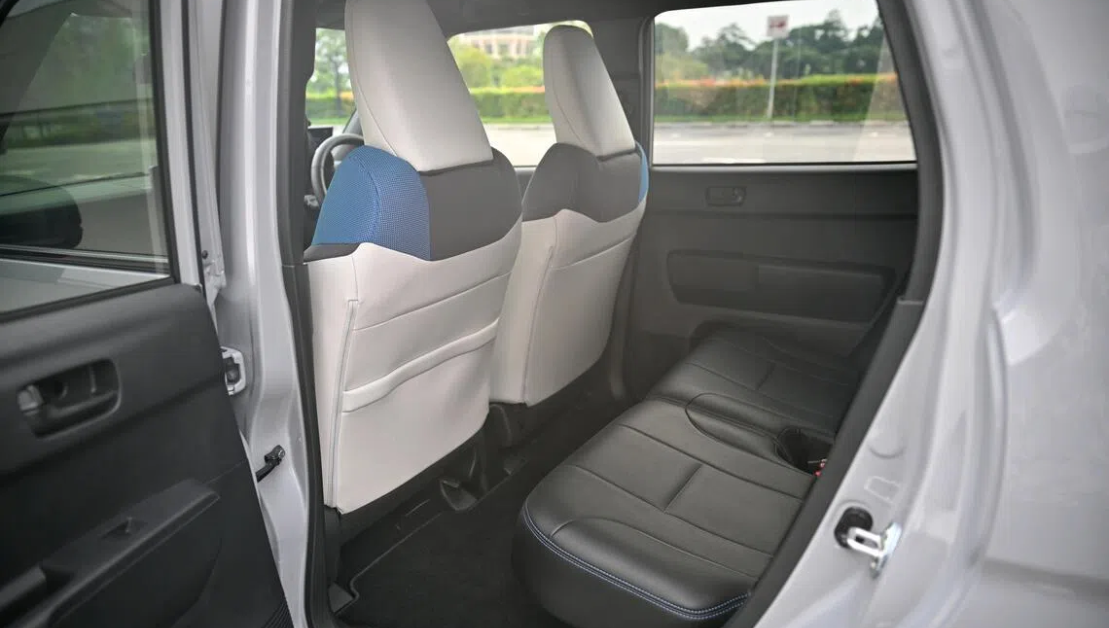
The Super-One’s smallness comes with limitations, of course. The car seats four in its cosy confines. As long as the four are not plus-size individuals, they will not feel cramped in the cabin.
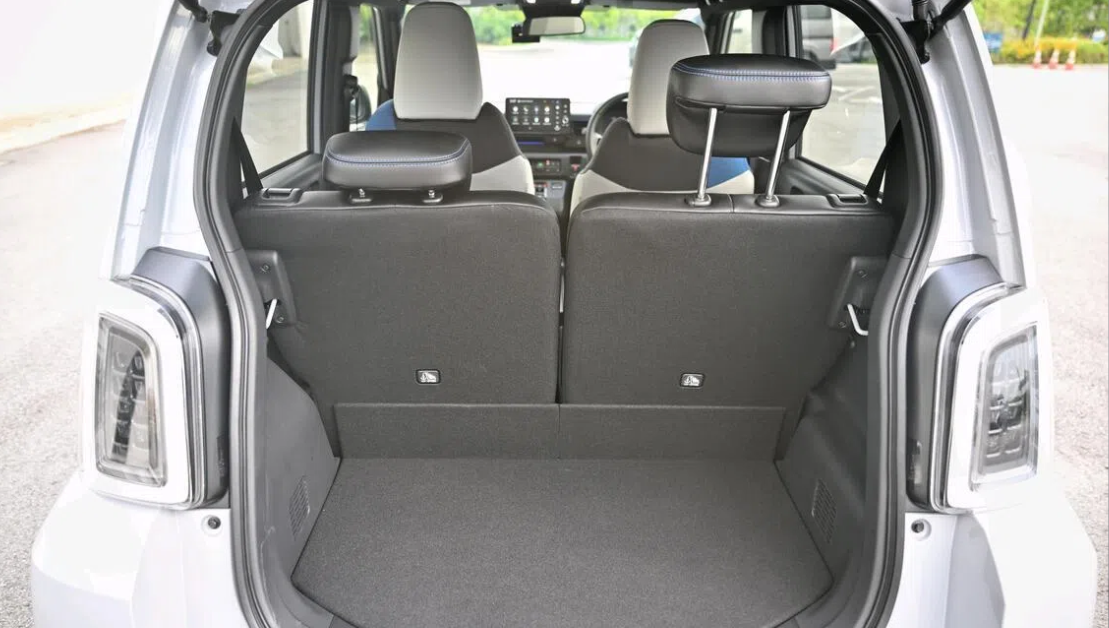
The car’s 162-litre boot has a larger floor area than its capacity suggests, and you can stack things because of its high ceiling. If you need to lug bulkier things around, you can collapse its 50:50 split rear seats.
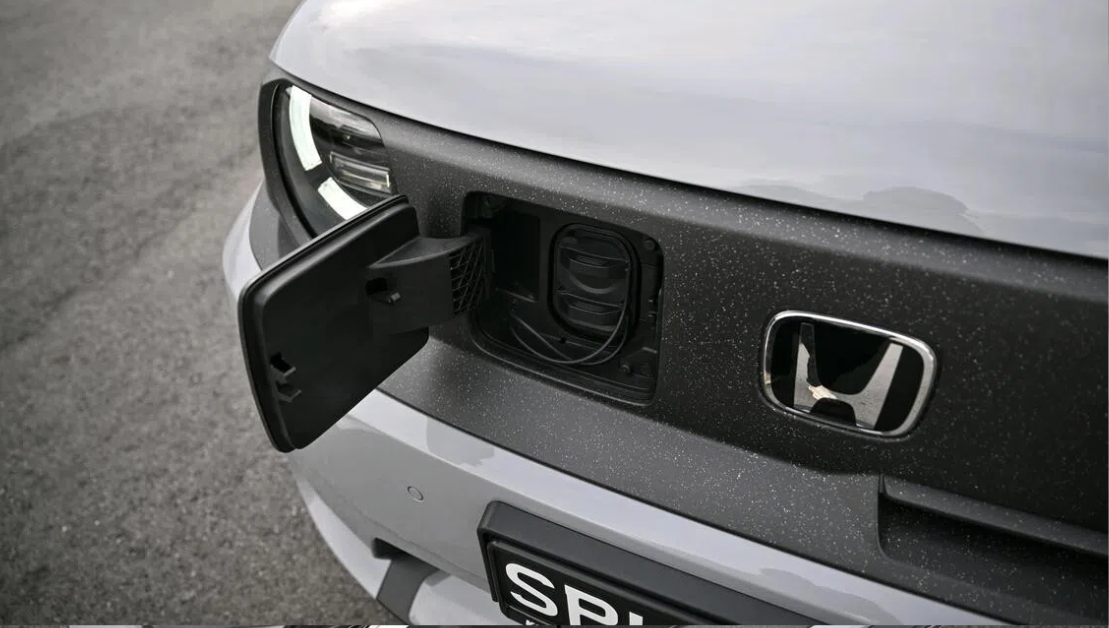
As for charging, you can top up 100km in less than 15 minutes at a 50kW DC public charger. So its small battery is not an impediment at all in a compact place like Singapore.
In fact, driving to Melaka will entail one 15-minute charging stop, and a trip to Kuala Lumpur will require two such stops. You will need such stops anyway, because the car’s seats may become a tad uncomfortable on long hauls (rare in Singapore unless you are a private-hire driver).
The Super-One proves Honda is able to offer something unique amid a rising tide of increasingly bland and homogenous electric cars. Too bad the company has decided to halt its electrification programme.
For Singapore, there will be at least one more electric Honda in the near term. Hopefully, it will not come with heated seats.
Credits: The Straits Times. Author: Christopher Tan
Original Source: https://www.straitstimes.com/life/motoring/hondas-fun-funky-super-one-an-ev-for-petrolheads
