




 Calculator
 Price Guide
 Test Drive
 Brochure
A living room on wheels
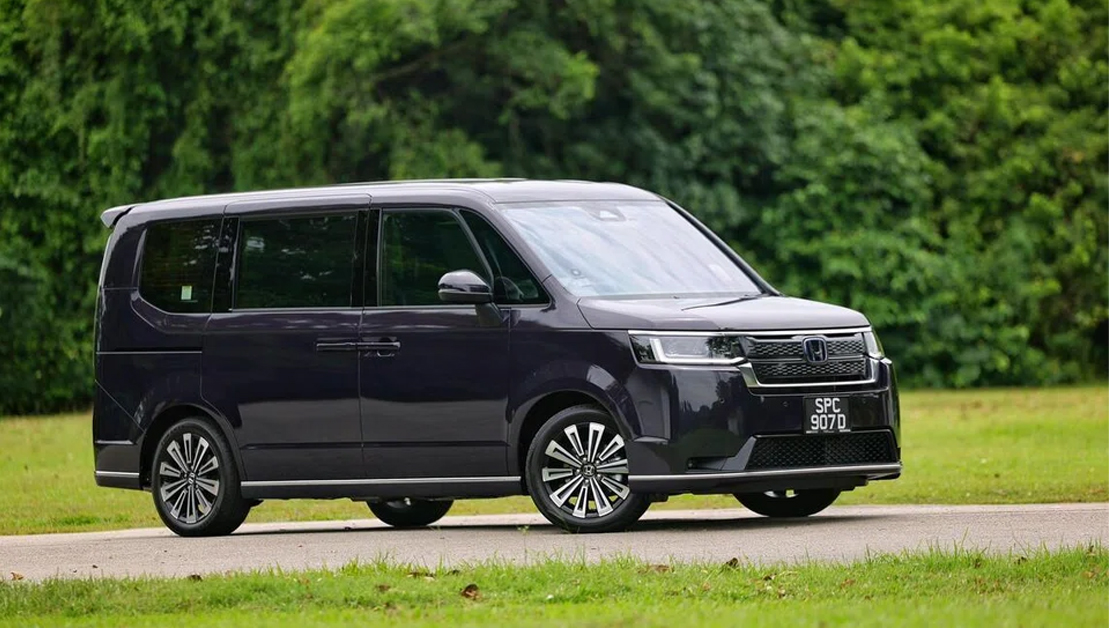
My first drive in the Honda STEP WGN sets my heart racing. The multi-storey carpark I am heading into has a height limit of 1.8m and the Honda’s brochure says the car exceeds that mark by 46mm. Should I risk damaging car and property or face the wrath of the drivers queuing behind by backing out?
The STEP WGN’s height translates into a lot of headroom in the cabin. This is useful not only for those from the Victorian era who wear tall hats, but also eases access to the back seats.
Passengers can get into the car without having to bend over exaggeratedly after the motorised doors slide out of the way at the push of a button.
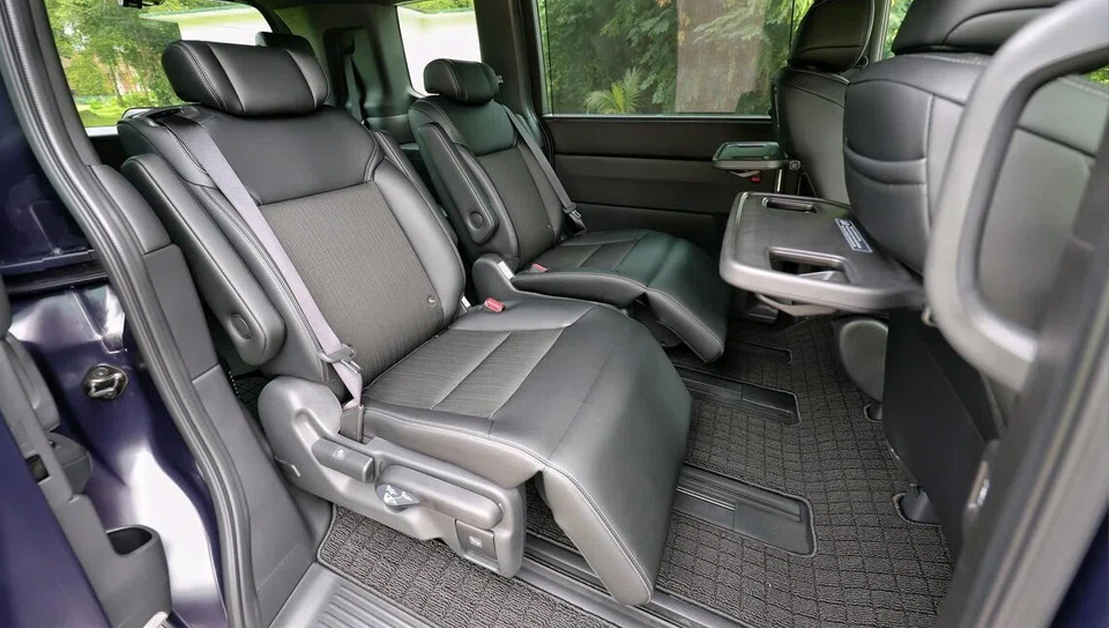
The two individual seats in the middle row have extendable leg rest and offer a walkway between them for passengers to get to the back seat.
The design of the two individual seats in the second row is quite clever. Besides having extendable leg rests for the comfort of those using them, the seats can be tipped forward to let passengers get to the seats behind or positioned apart from each other to create a walkway between them.
The back seat is roomy, offering sufficient leg and shoulder room for three adults. Honda definitely made the most of the Step Wgn’s relatively large footprint: with an overall length of 4,829mm, the car is 134mm longer than the Toyota Noah.
The third-row bench can be collapsed into the large bin just ahead of the rear bumper, expanding the boot. The rear hatch is motorised and can be activated from the dashboard or with the button on the hatch itself.
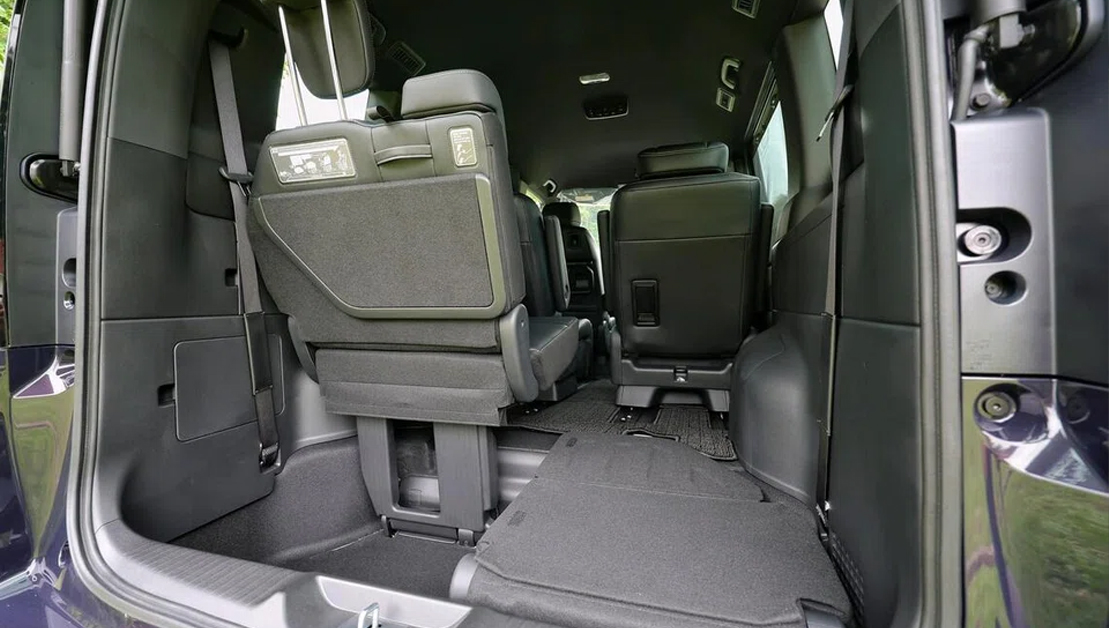
The rear bench can be tipped backwards into the crevice to form a flat floor while also enlarging the boot area significantly.
Besides being spacious, the cabin also has plenty of thoughtful touches that make the STEP WGN an ideal family car. It goes beyond the multitude of USB power points – I count six, including two on the back of the front seats, one on either side of the windows at the third row and a pair in the centre console – but also useful little features like the hook on the dashboard to hang a packet lunch or handbag.
Back to that scene where the STEP WGN is stuck between a line of cars and the entrance to that carpark with the ominous “1.8m height limit” warning. Trying to reverse out of the lane would probably earn a post on the SG Road Vigilante Facebook group for being an inconsiderate motorist. So, with gritted teeth, I press on, ducking my head each time the car approaches a lower-hanging beam overhead – not that it would have made any difference. It turns out that both Honda and HDB’s engineers were probably overly cautious in their height measurements because the car makes it through unscathed.
What is also apparent when climbing up the spiral ramp of the carpark is how responsive and strong the STEP WGN’s powertrain feels.
The 2-litre engine is paired with a continuously variable transmission that consists of two electric motors. At lower road speeds, it is the electric motor that turns the wheel. If needed, the engine works as a generator to provide additional oomph to the motor. At higher speeds, the engine powers the wheels directly with the motor chipping in to provide extra boost during overtaking. The Step Wgn certainly feels energetic while managing to be quite fuel-efficient. Over 180km, the Honda posts an average fuel consumption figure of 7 litres/100km and is still sufficient to give the Honda a range of over 950km.
Like many Japanese cars today, the STEP WGN’s cabin does not scream high-tech like what the European and Chinese carmarkers offer.
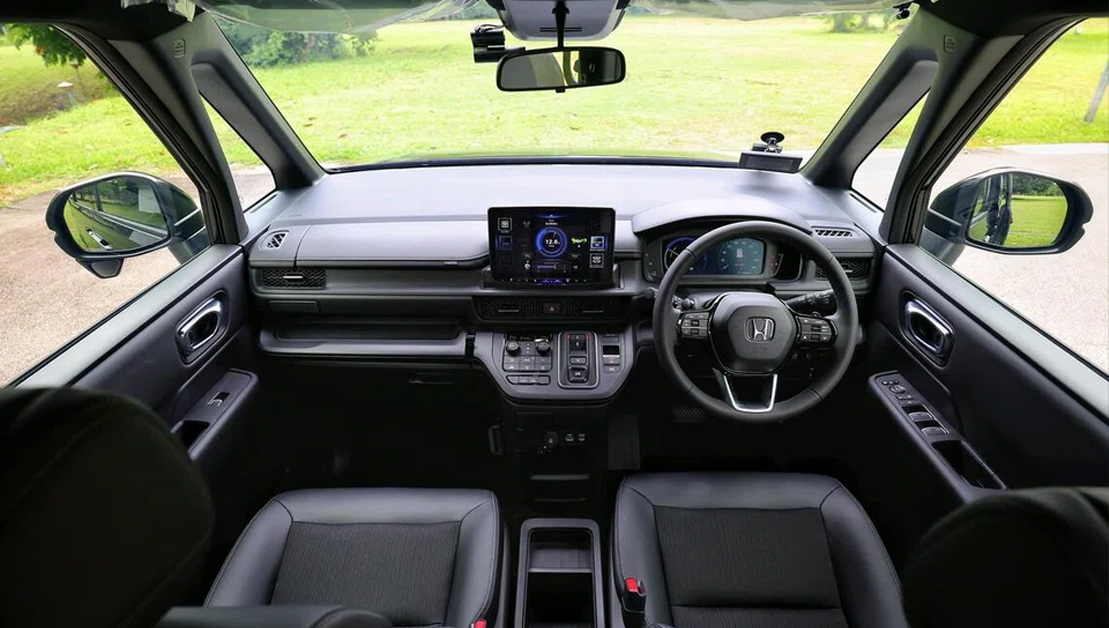
The STEP WGN has plenty of modern driving assistance tech, but the presentation feels dated in some areas.
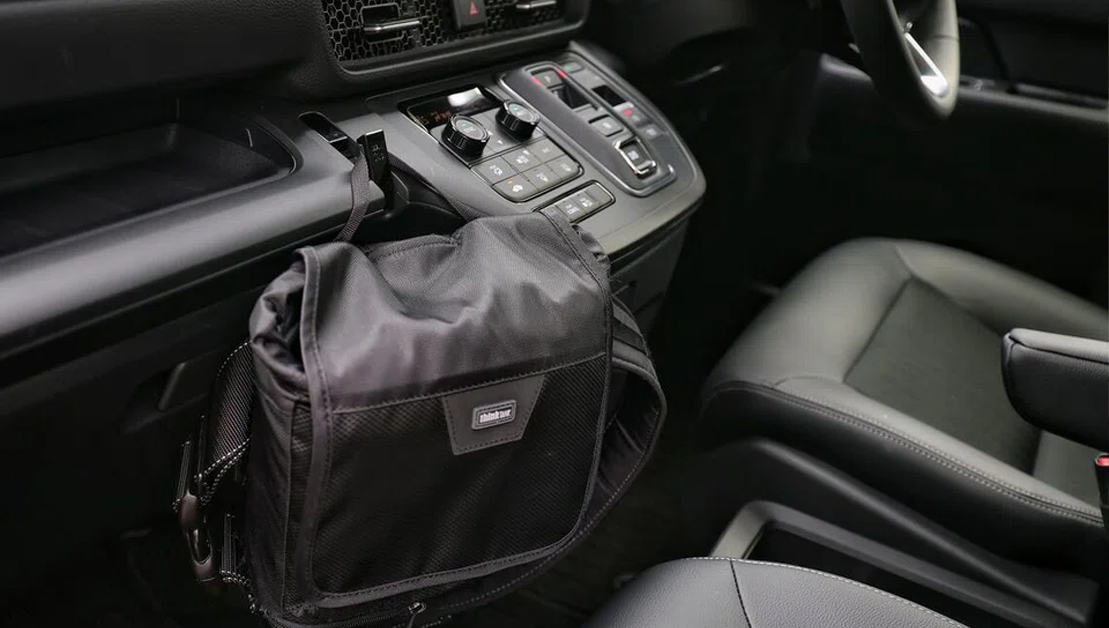
The cabin has plenty of thoughtful features, including a hook on the dashboard for small bags.
The Honda’s digital instrument display, for example, is nowhere as big nor as customisable as those in European and Chinese cars. However, it is easy to use, with big, clear digits and icons.
Instead of having all-round cameras or self-parking features, the Honda offers great all-round visibility, coupled with an additional wing mirror on the passenger side door that is pointed at the kerb. The locally fitted Alpine touchscreen head unit has wireless smartphone connection, which is fuss-free to use.
While the car feels quite precise and confident when the steering is pointing straight, it loses a bit of composure in sweeping corners with a bit of body roll.
Having a slightly lower ride height and a firmer suspension set-up should sharpen the drive a bit. And as a bonus benefit, it will also allow drivers to confidently drive into old carparks without their hearts in their mouths.
Credits: The Straits Times. Author: Lee Nian Tjoe
Original Source: https://www.straitstimes.com/life/motoring/honda-step-wgn-is-a-living-room-on-wheels
